Why After-Prom Entertainment Fails — And How Schools Can Avoid Costly Mistakes
Why After-Prom Entertainment Fails — And How Schools Can Avoid Costly Mistakes
After-prom is one of the most important events of the school year.
It’s designed to:
Keep students safe
Provide supervised fun
Extend the celebration
Reduce risky late-night behavior
But every year, some after-prom events fall flat.
Not because committees didn’t try.
Not because budgets were too small.
But because of a few predictable entertainment mistakes.
Let’s break down why after-prom entertainment fails — and how your school can avoid it.
Mistake #1: Booking Background Entertainment Instead of Interactive Entertainment
A DJ is great.
Inflatables are fun.
Casino tables are structured.
But here’s the issue:
Most of these options are passive or small-group activities.
After midnight, students don’t just need something to do — they need something that pulls the entire room together.
When entertainment becomes background noise, energy becomes scattered.
What works instead:
Choose at least one centralized, interactive experience that engages the majority of students at the same time.
When everyone is focused in one direction, the atmosphere changes immediately.
Mistake #2: Not Considering Energy Cycles
After-prom happens late.
Students are either:
Exhausted
Overstimulated
Or bouncing between both
Booking slow, low-energy entertainment during the peak fatigue window can cause attention to drop quickly.
What works instead:
Schedule high-engagement entertainment during the midnight–1:30 a.m. window when you need a structured, high-focus activity.
Fast-paced, interactive entertainment works best when energy is unpredictable.
Mistake #3: Underestimating Crowd Size Dynamics
Entertaining 50 students is different than entertaining 300.
Large crowds require:
Strong stage presence
Clear structure
Sound control
Pacing
Crowd management experience
Without it, even good entertainment can feel chaotic.
What works instead:
Hire professionals experienced with large school audiences — not just party performers.
Mistake #4: Choosing Entertainment That Doesn’t Work for All Personality Types
After-prom includes:
Athletes
Theater students
Quiet introverts
Student leaders
Highly social groups
Students who prefer to observe
Entertainment that only works for one personality type excludes part of the crowd.
What works instead:
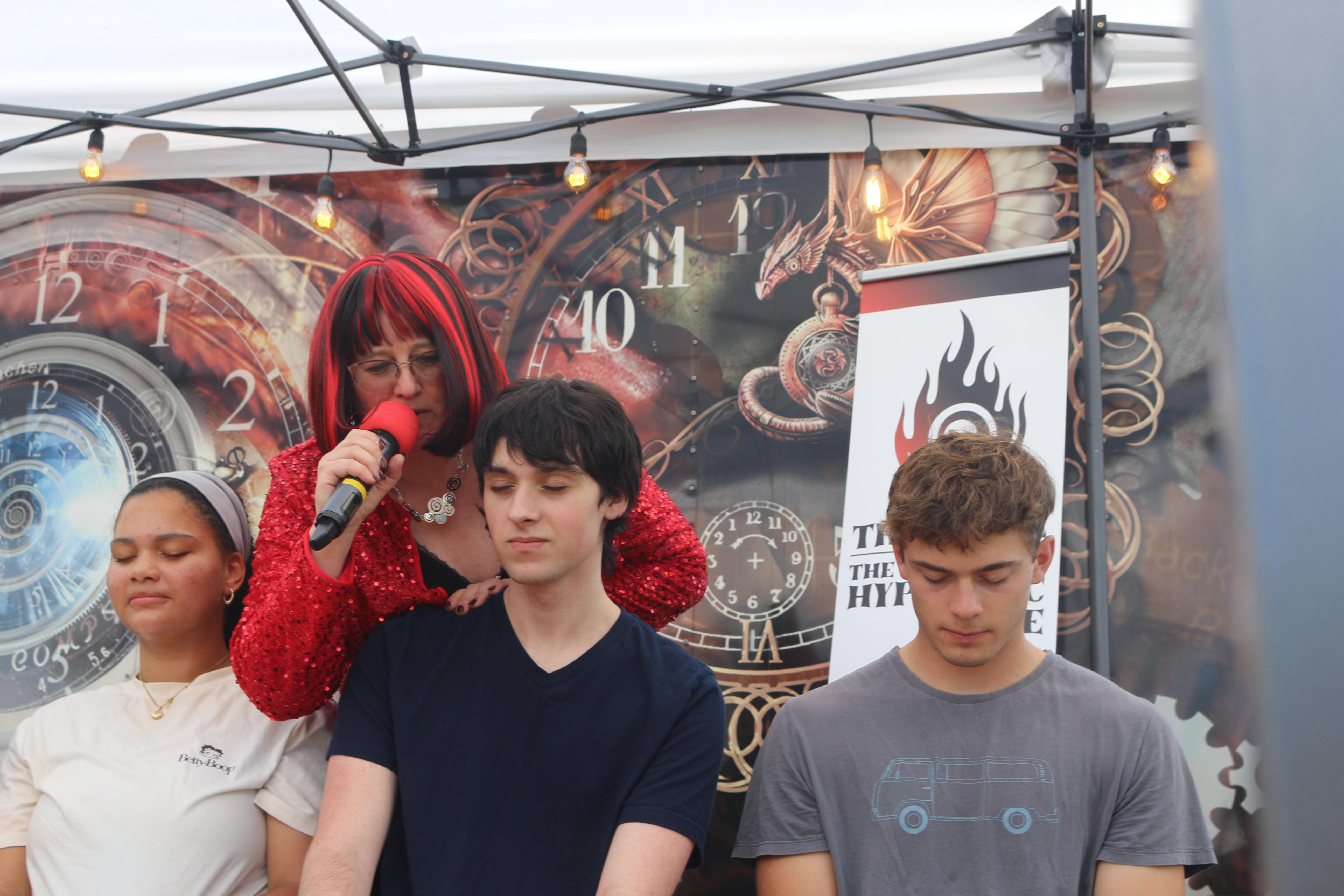
Choose entertainment that allows both participation and observation — so volunteers feel empowered, and audience members are equally entertained.
Mistake #5: Ignoring Professional Safeguards
Schools must consider:
Clean content
Liability insurance
Administrative transparency
Clear communication
Defined structure
Entertainment that lacks professional standards creates unnecessary risk.
What works instead:
Confirm:
✔ Insurance coverage
✔ School-appropriate material
✔ Volunteer-only participation
✔ Clear safety guidelines
✔ Professional contract terms
Peace of mind matters as much as entertainment value.
Mistake #6: No Central “Wow” Moment
The most successful after-prom events have one defining experience — the moment students talk about the next week.
Without that, after-prom becomes a collection of activities rather than a shared memory.
A central attraction creates:
Unified energy
Laughter
Social bonding
A collective experience
That’s what transforms an event from “nice” to “unforgettable.”
How Schools Can Avoid Costly Mistakes
Here’s the simple formula:
Include at least one centralized, interactive experience.
Schedule it strategically during peak fatigue hours.
Choose professionals experienced with large student audiences.
Confirm safety, insurance, and clean material.
Focus on creating a shared memory — not just filling time.
After-prom doesn’t fail because schools lack effort.
It fails when entertainment doesn’t match the environment.
When structured correctly, after-prom becomes:
Safe
Organized
Energized
Memorable
And that’s exactly what committees are working so hard to achieve.